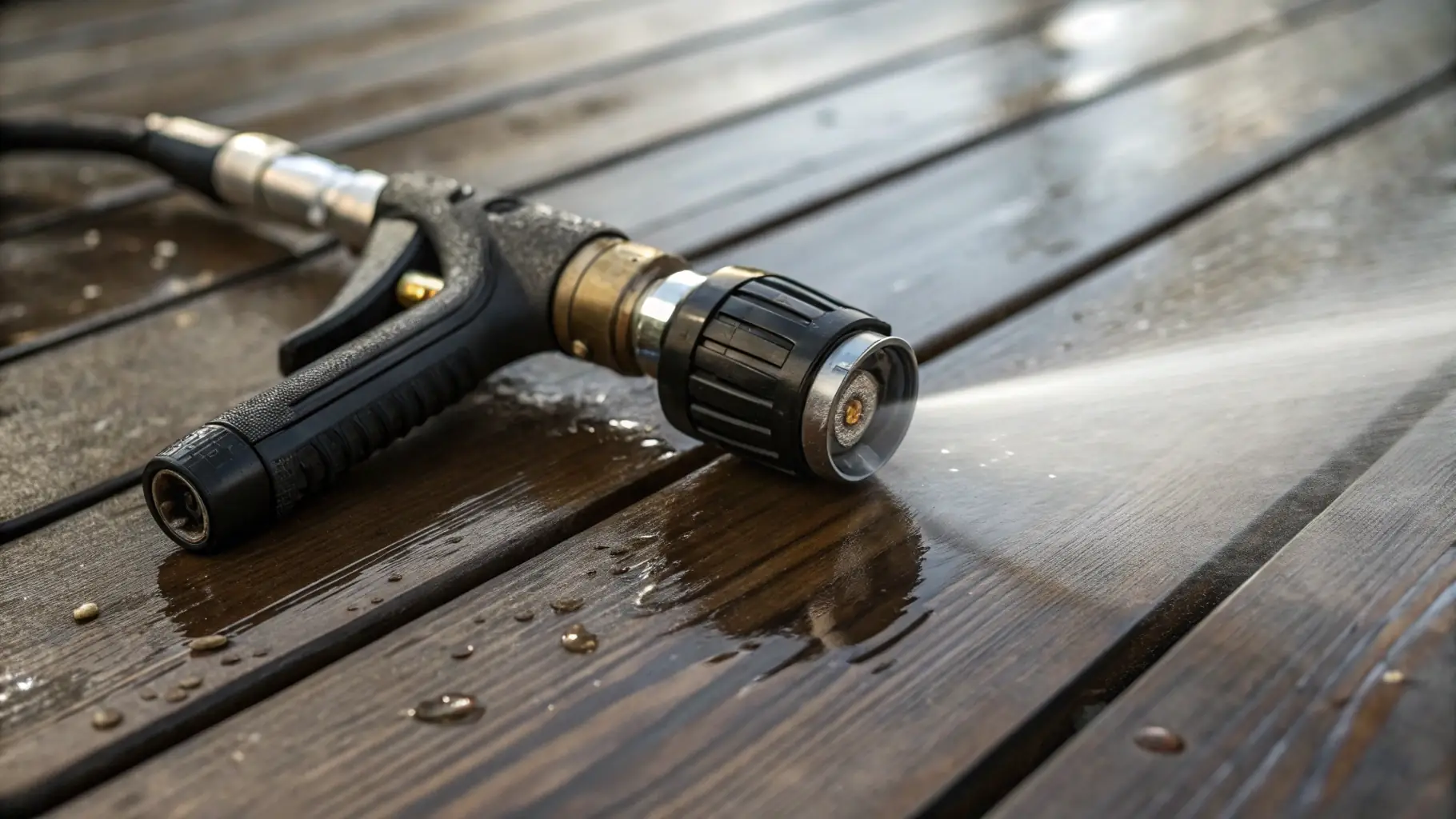
Pressure washing can be a highly effective way to clean various surfaces around your home, but using the wrong nozzle can lead to damage or ineffective cleaning. Different nozzles provide different spray patterns and pressures, each suited for specific tasks. Understanding these differences is key to achieving the best results. This guide will walk you through the various types of pressure washer nozzles and their ideal applications.
The red nozzle, typically with a 0-degree spray pattern, delivers a concentrated, high-pressure stream. It’s best used for stubborn stains and hard surfaces like concrete, but should be avoided on delicate materials. The yellow nozzle, with a 15-degree spray, offers a more moderate pressure and is suitable for tasks like stripping paint or cleaning siding. Always test in an inconspicuous area first to ensure no damage occurs. The green nozzle, providing a 25-degree spray, is a versatile option for general cleaning tasks such as washing decks and fences. Its wider spray pattern makes it less likely to cause damage while still providing effective cleaning power.
Finally, the white nozzle, with a 40-degree spray, is the gentlest option and is ideal for washing cars or boats. It provides a wide, low-pressure spray that minimizes the risk of damage. For soap application, use the black nozzle, which delivers a low-pressure stream specifically designed for detergents. Remember to always start with the widest nozzle and gradually move to narrower ones as needed. This approach helps prevent damage and ensures you’re using the right amount of pressure for the task at hand.