When it comes to cleaning the exterior of your home, you might hear about two popular methods: soft washing and pressure washing. While both aim to remove dirt, grime, and other buildup, they differ significantly in their approach and the types of surfaces they’re best suited for. Understanding these differences is crucial to ensure you’re using the right method for your specific needs. This article will break down the key distinctions between soft washing and pressure washing.
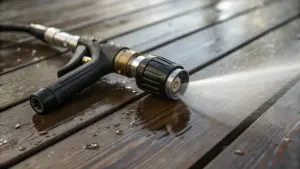
Pressure washing uses high-pressure water to blast away dirt and grime. It’s effective for hard surfaces like concrete driveways and sidewalks, where the high pressure can easily remove stubborn stains. However, pressure washing can be too harsh for more delicate surfaces like siding, roofs, and fences. The high pressure can damage these materials, leading to costly repairs. Soft washing, on the other hand, uses a much lower pressure combined with specialized cleaning solutions.
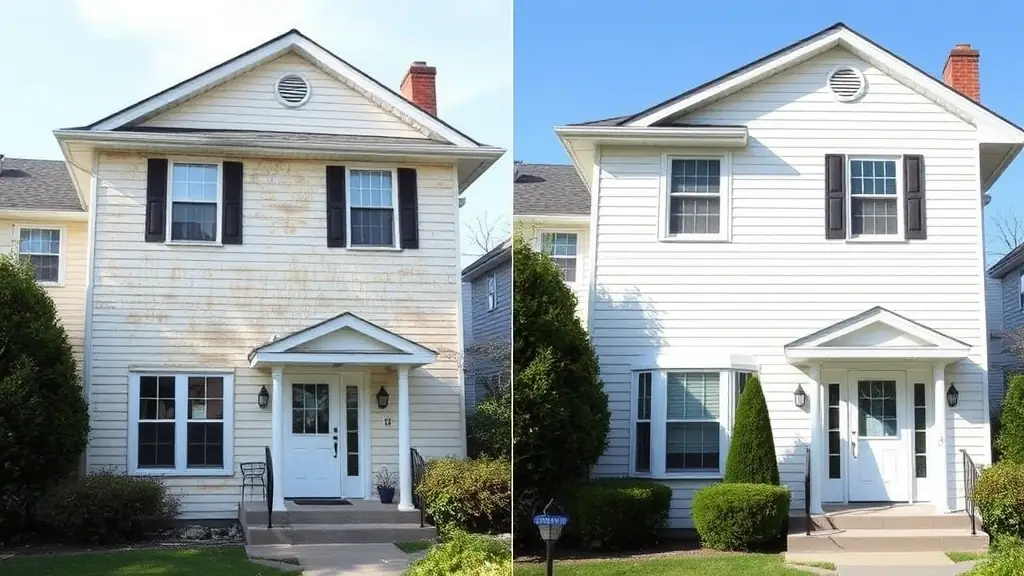
These solutions are designed to kill mold, mildew, algae, and other organic growth at the source. The low pressure ensures that the cleaning agents can penetrate deep into the surface without causing damage. Soft washing is ideal for surfaces like roofs, siding, and fences, where the goal is to remove organic growth without risking damage. Ultimately, the choice between soft washing and pressure washing depends on the type of surface you’re cleaning and the specific cleaning goals. Always consider the potential for damage and choose the method that will provide the best results without compromising the integrity of your property.